
Challenge Recap
Winter Citrus Tart Recap: The Bitterness Was the Point
By Jack Waller · Jul 3, 2026 · 5 min read
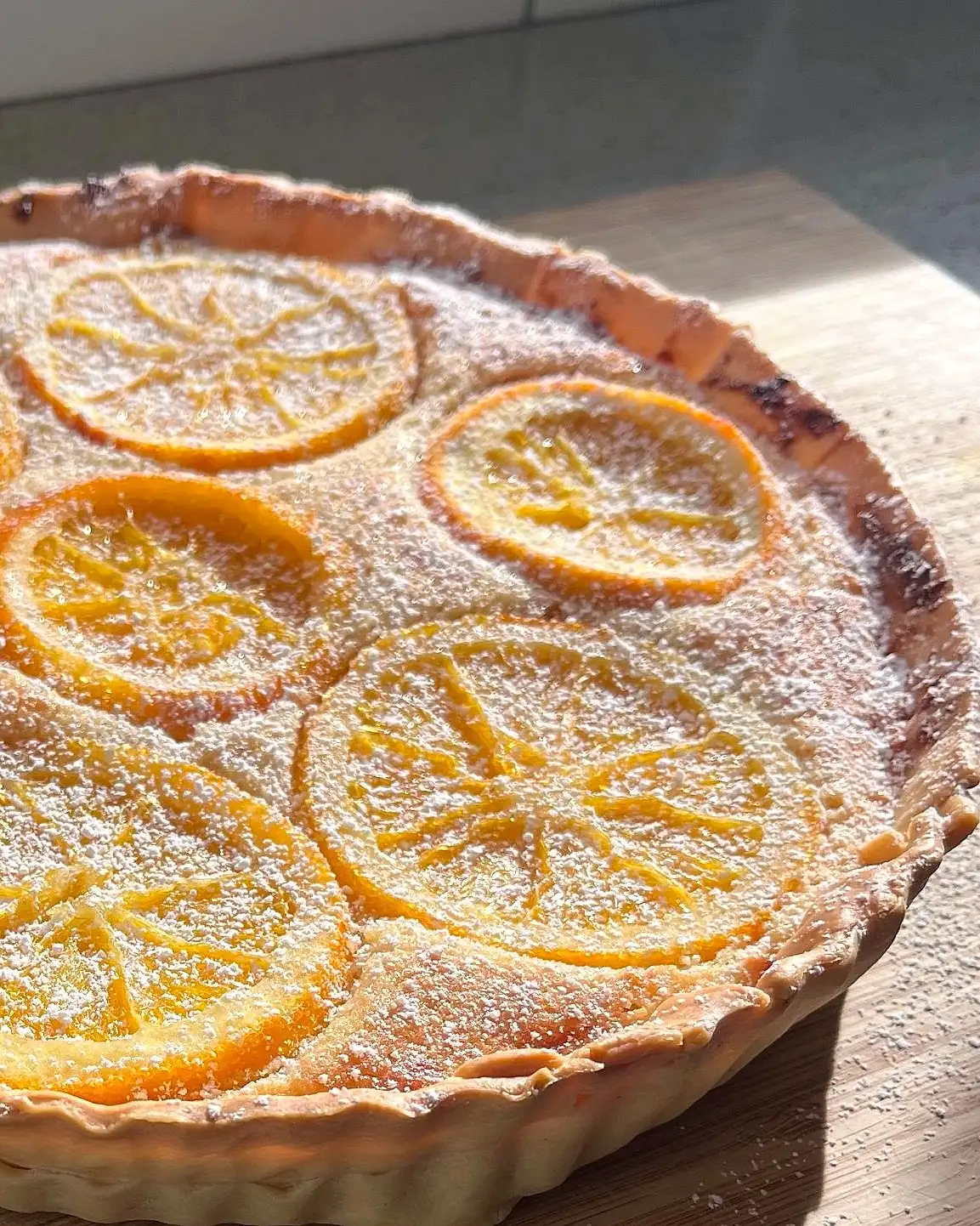
We asked everyone to blitz a whole orange, peel and all, and bake it into a tart. Every plate came back with the same two notes: it looks beautiful, and it bites back. Some of that is the dish. Some of that is on us.
This challenge asked for a small act of faith: take the part of the orange you normally throw away and bake it into the middle of a dessert. Peel, pith, all of it. The reward is a marmalade with a depth that juice alone never gets near. The risk is bitterness, and every tart that came back this week had met it somewhere along the way. Reading the submissions honestly, the recipe deserves a share of the blame for that, so this recap is part technique notes, part apology.
The bitterness is the dish, but we under-called it
Nobody dodged it. One cook parboiled the orange several times and still found the peel carried too much bite, then went back in and trimmed the pith out by hand before blitzing. Another finished the bake, tasted it, and planned more sugar in the marmalade for next time. Both landed in the same place from different directions: the whole-orange simmer softens the bitterness, but it does not delete it. The recipe treated the simmer as the whole defence, and 50 grams of sugar reads pretty lean once you have tasted what a whole navel actually brings to the pot.
“Although it took a bit of time, removing the pith afterwards improved the flavour immensely.”
That is worth keeping. The recipe gives you the long simmer as the main defence, but you have two more levers if your orange is fighting back: trim the worst of the pith after simmering, or lean on the sugar and a squeeze of lemon to pull the marmalade back towards bright instead of bitter. Taste the marmalade before it goes anywhere near the shell. That is the moment you can still change the tart.
The clock lied, the wobble did not
The other shared experience was the bake running long. Frangipane sets slowly under a layer of fruit, and one cook had the tart in the oven well past the stated time waiting for the centre to stop swimming. That is not a failed bake, and it is not really a failed cook either. It is a recipe writing a time down with too much confidence. The orange slices shield the surface, so the almond cream underneath takes its time, and ovens vary more than any minute count admits. The tell is the wobble. A slight shiver in the centre means done. Liquid movement means keep going, however much the timer disagrees.
The marmalade layer matters here too. If it goes into the shell loose, it bleeds up into the frangipane and the whole middle takes even longer to set. Cooked until it holds a line under the spoon, it stays where you put it and the layers come out clean.
What we would fix in the recipe
We are all learning here, the recipe writers included, so here is our honest list after watching this one out in the wild:
- A taste checkpoint after the marmalade, with the fixes spelled out: more sugar, a squeeze of lemon, or trimming the pith. Adjusting is not cheating, it is the actual skill
- A bake window instead of a single time, with the wobble as the real cue and the clock demoted to a suggestion
- A plainer warning about what whole-orange means: this is a grown-up tart with a bitter edge by design, and if you want it gentler you should feel free to make it gentler
Finish it your way
The submissions did not treat the recipe as a contract, which is exactly what we hoped. One tart skipped baking the slices in and was topped with vanilla labneh and fresh orange instead, trading the candied chew for something cool and creamy against the almond filling. The same cook passed on a genuinely useful serving tip: slicing a decorated tart gets messy, so cut it first and dress each slice individually if you want it looking sharp on the plate.
What you keep
This was a three-technique week, and all three travel. Blind baking works for every quiche and custard tart you will ever make. Frangipane is the base layer of half the fruit tarts in any good bakery window. And the whole-orange marmalade trick works wherever you want citrus with actual depth: stirred through yoghurt, under a syrup cake, or on toast on a slow Sunday. Nobody here is pretending to be a pastry chef, and a tart that came out bitter and late but got finished anyway is exactly the kind of cooking this whole thing is for. The tart was one Saturday. The techniques are yours now.
The recipe
Whole-Orange Winter Citrus Tart
2 hr 45 min · Serves 8 · 8 steps
Ingredients
Method
- 01
Simmer the orange
Simmer one whole orange until meltingly soft. This is the base of your marmalade.
Put one whole navel orange in a small saucepan, cover with cold water and bring to the boil, then drop to a gentle simmer.
Cook for about an hour, topping up the water so the orange stays covered, until it is completely soft. A skewer should slide through the skin with no resistance.
While it simmers, crack on with the shell, the topping slices and the frangipane. The orange needs to cool before it becomes marmalade anyway.
Drain and leave to cool.
- 02
Line the tin and blind bake
Ease store-bought shortcrust into the tin and part-bake it so it stays crisp under the filling.
Use a ready-made shortcrust case, or lay one sheet of shortcrust into a 23 cm loose-bottomed tart tin, easing it into the base and corners without stretching. Trim the overhang, and press the offcuts into any spots where the sides come up short so the whole shell is lined. Prick the base all over with a fork. Chill for 15 to 20 minutes if the pastry has softened.
Heat the oven to 200°C / 180°C fan. Line the shell with baking paper and fill it to the rim with baking weights, rice or dried beans. Bake for 15 minutes, until the edges are set. Lift out the paper and weights and bake a further 5 minutes, until the base looks dry and the rim is just pale gold.
- 03
Zest and poach the topping slices
Zest the topping orange for the frangipane, then poach thin slices in a sugar syrup for the top.
First, finely grate about 2 tbsp of zest from the topping orange and set it aside for the frangipane.
Slice the orange into thin rounds, about 3 to 4 mm, flicking out any pips. In a wide pan, make a light syrup with equal parts sugar and water, enough to cover the slices. Bring it to a gentle simmer until the sugar dissolves.
Slide in the slices and poach for about 30 minutes, until the peel looks slightly translucent and tender. Top up with a splash of water if the syrup reduces too far.
Lift the slices onto a rack or paper to drain, and keep the leftover syrup for the marmalade.
- 04
Make the frangipane
Beat a classic almond frangipane, the body of the tart.
Beat 125 g softened butter with 110 g sugar until pale and creamy. Beat in the 2 eggs one at a time.
Fold in 125 g almond meal, 20 g plain flour, 1/4 tsp baking powder, the reserved orange zest, 1 tsp vanilla and a pinch of salt, just until you have a smooth, soft frangipane.
Don't worry if it looks split after the eggs. It comes back together when the almond meal goes in.
No mixer? A wooden spoon and properly soft butter does the job. Just cream it well before the eggs.
- 05
Make the whole-orange marmalade
Blitz the soft orange, peel and all, and cook it down to a thick, glossy marmalade.
Quarter the cooled orange and pick out any seeds, then blitz it in a food processor, peel, pith and all, to a fairly smooth purée.
Tip the purée into a small saucepan with 50 g sugar, the juice of half a lemon and a splash of water (about 2 tablespoons) to loosen it. Cook over medium heat, stirring often, for 15 to 25 minutes, until it thickens to a glossy, spreadable jam that holds a line when you drag a spoon through it.
If it stays stiff or pastes up before it turns glossy, loosen it with a few spoonfuls of the leftover poaching syrup from the orange slices, then keep cooking it down.
Set aside to cool. It firms up a little more as it cools.
Taste it! It should be sweet with a pleasant bitter edge. If it is still sharp, a few more minutes and a pinch more sugar evens it out.
- 06
Assemble
Marmalade first, then frangipane spread level. The slices go on partway through baking.
Set the cooled tart shell, still in its tin, on a baking tray. It catches any drips from the loose base.
Spread a thin, even layer of the whole-orange marmalade over the base. Spoon the frangipane over the marmalade and spread it level. It rises and sets as it bakes.
Keep the drained orange slices aside. They go on partway through the bake, not now.
- 07
Bake
Bake the frangipane until just set, add the slices, then finish until set under the fruit.
Bake at 180°C / 160°C fan for about 20 minutes, until the frangipane is risen and just set on top.
Slide it out, pat the poached slices dry, and arrange them over the top. Return it to the oven for a further 20 to 25 minutes, until the frangipane is golden and set right up to the fruit, with only a very slight wobble dead centre.
If the rim colours before the centre sets, lay a loose ring of foil over it. A pale rim beats a burnt one.
- 08
Cool, then finish and serve
Let it cool, dust with icing sugar, and serve with cold cream.
Rest the tart in its tin on a wire rack until barely warm, at least 30 minutes. The frangipane finishes setting as it cools.
Unmould, dust the rim with icing sugar through a sieve, and slice. Serve with cold cream.
For the cleanest slices, chill the tart fully before cutting.
For a brûlée edge, sprinkle the slices with caster sugar and give them a 10-second pass with a blowtorch or under a hot grill. Now they are poached, the sugar caramelises instead of scorching.