
Challenge Recap
KFC Night Recap
Apr 10, 2026 · 7 min read
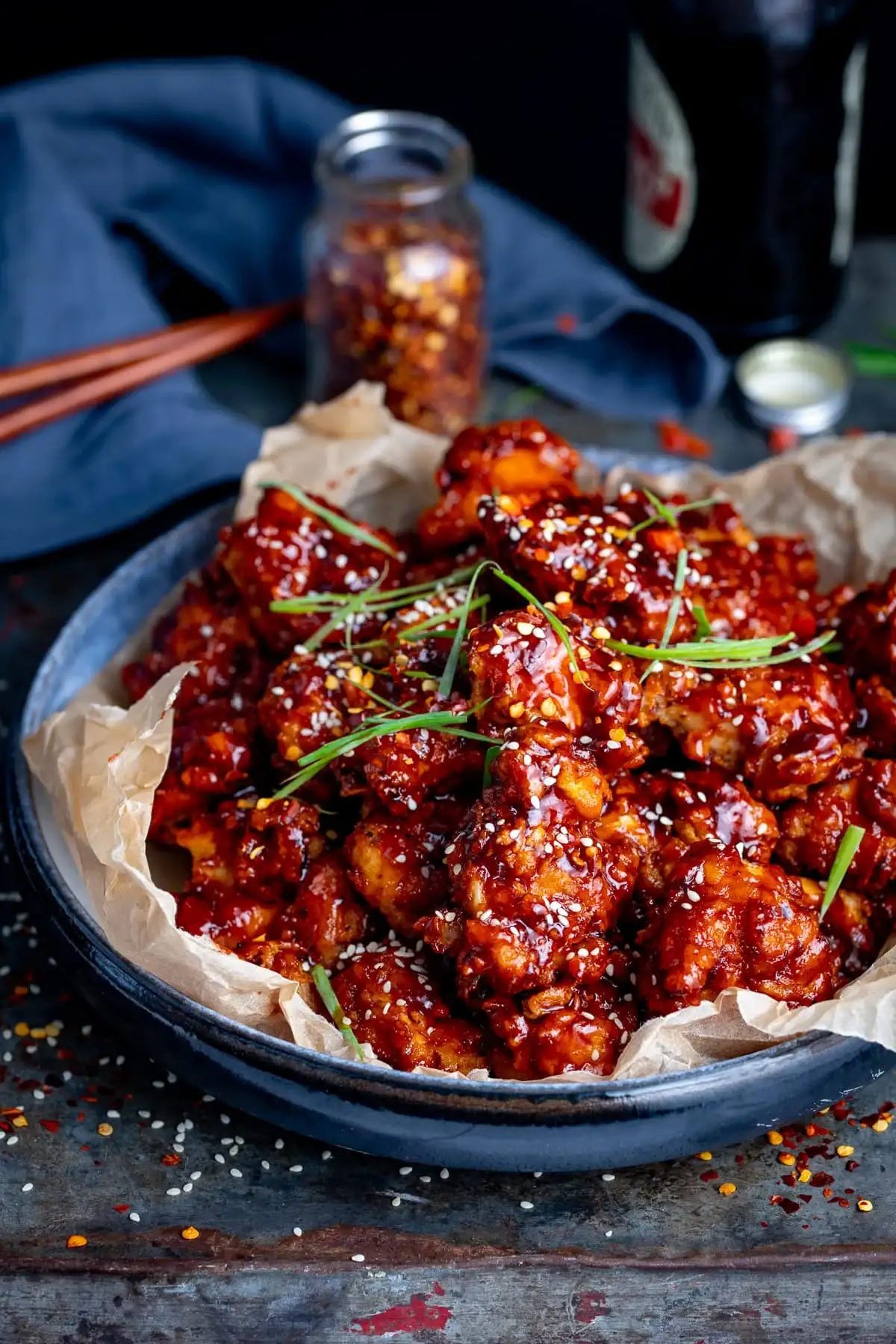
KFC Night made one thing very clear: great Korean fried chicken is mostly about patience, heat control, and knowing when to glaze. Here is what separated the strongest submissions from the soggy ones.
KFC Night immediately exposed the small technique choices that separate good fried chicken from the kind people immediately start talking about. The cooks who slowed down and treated each stage as its own job got the best results.
What the strongest cooks did differently
- Kept the first fry gentle enough to cook through without over-colouring the crust
- Rested the chicken on a rack so steam could escape before the second fry
- Used just enough glaze to lacquer the coating instead of soaking it
The most common mistake was rushing from fryer to bowl without checking the oil temperature had recovered. The second most common was over-saucing. Korean fried chicken is at its best when the crust still has texture under the glaze, not when it turns heavy and wet.
Where people struggled
- Starting with chicken that was still damp from trimming or washing, which weakened the coating immediately
- Crowding the pot and dropping the oil temperature too far during the first fry
- Treating the glaze like a finishing sauce instead of part of the texture balance
The pattern was consistent: the cooks who thought of the recipe as three separate jobs did better than the cooks who treated it as one continuous rush. First you dry and season. Then you fry with discipline. Then you glaze with restraint. Breaking the cook into those stages helped people recover when something felt off.
What surprised us
The surprise was how quickly confidence improved between attempts. Even cooks who felt unsure after the first batch usually corrected by the second. Once they saw what proper browning looked like and how little glaze was actually needed, the dish stopped feeling intimidating and started feeling repeatable.
“The five-minute rest felt annoying the first time, then completely obvious after the second fry. That was the moment the chicken actually turned crispy.”
That is part of what makes Korean fried chicken so satisfying to cook at home. It does not ask for complicated equipment, but it does reward care. When you get the crust crisp, the glaze balanced, and the timing right, the final plate feels like something you genuinely pulled off.
That is also what made it a strong launch challenge. The best submissions were not all identical, but they all showed the same thing: when someone understands the method, you can see it on the plate. The crust looks lighter, the glaze looks cleaner, and the whole cook feels more intentional.
The recipe
Gochujang Glazed Chicken
1 hr · Serves 4 · 7 steps
Ingredients
Method
- 01
Prepare the chicken
Cut thigh meat into bite-sized pieces, dry thoroughly, and season.
Start with 1.5 pounds of boneless, skinless chicken thighs - thigh meat stays juicier than breast during double-frying. Trim any excess fat or sinew.
Cut each thigh into 3-4 large bite-sized pieces (about 2 inches each). Place in a large bowl and pat completely dry with paper towels.
Season with 1 teaspoon salt and 1/2 teaspoon white pepper. Let rest for 10 minutes while you prepare the glaze.
- 02
Cook the gochujang glaze
Simmer the glaze briefly so the gochujang smooths out and the aromatics mellow.
In a small saucepan, combine 3 tablespoons gochujang, 1 tablespoon gochugaru, 2 tablespoons ketchup, 2 tablespoons soy sauce, 3 tablespoons honey, 1 tablespoon rice vinegar, 4 cloves minced garlic, and 1 tablespoon grated ginger.
Bring to a gentle simmer over medium heat and cook for 3-4 minutes, stirring often, until the sauce looks smooth, glossy, and spoonable.
Take it off the heat and stir in 1 teaspoon sesame oil. Taste and adjust the heat or sweetness before setting it aside.
- 03
Dredge and first fry
Coat chicken in cornflour and fry at lower temperature until cooked through but not browned.
Place 1 cup cornflour in a shallow dish. Working in batches, coat the chicken evenly and shake off any excess.
Heat 3 inches of vegetable oil to 165°C (330°F) in a heavy pot or Dutch oven. Fry the chicken in small batches for 5-6 minutes until cooked through and pale golden.
Transfer to a wire rack and let the oil return to temperature between batches.
- 04
Rest and prepare for second fry
Rest the chicken to let steam escape while increasing oil temperature for the second fry.
Let the chicken pieces rest on the wire rack for 5-7 minutes. You will notice steam escaping - this is exactly what you want. The surface is dehydrating, which will result in extra crispiness.
While waiting, increase oil temperature to 185°C (365°F). Keep your glaze warm and your serving bowl ready.
- 05
Second fry to perfection
Fry at high heat until deep golden brown and shatteringly crispy.
Return the rested chicken to 185°C (365°F) oil in small batches and fry for 2-3 minutes until deeply golden and very crisp.
Transfer to a clean wire rack briefly while you finish the remaining batches. Keep the chicken hot so the glaze clings cleanly.
- 06
Glaze with gochujang
Toss hot chicken with the spicy-sweet gochujang glaze until evenly coated.
Transfer the hot, crispy chicken to a large mixing bowl. Add the warm glaze a little at a time and toss until the chicken is evenly lacquered.
The goal is a glossy coating that still lets the crust show through. Work quickly so the sauce clings without soaking the crust.
- 07
Garnish and serve
Garnish with spring onions and sesame seeds, then serve immediately.
Transfer the glazed chicken to a serving platter. Scatter generously with thinly sliced spring onions (use both white and green parts) and toasted sesame seeds.
Serve immediately while the coating is still crisp and glossy. The chicken is best within 5 minutes of glazing, before the crust begins to soften.